Emerging Trends in Bar and Restaurant Architecture for 2026
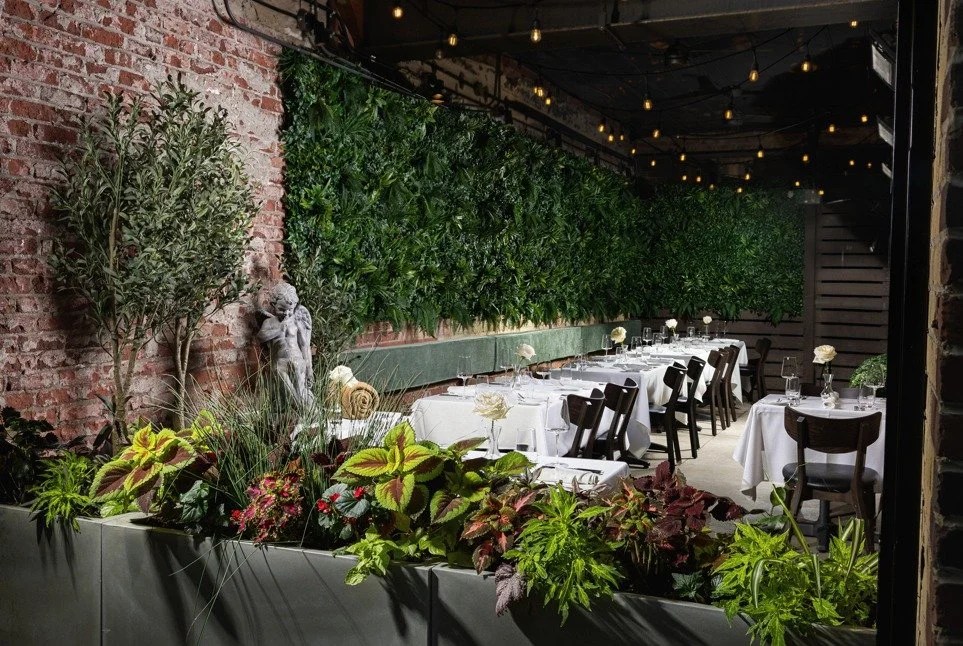
As 2026 unfolds, bar and restaurant architecture continues to evolve into something far more intentional than a simple backdrop for food and drink. Today’s hospitality environments are immersive, adaptable, and deeply connected to how guests feel inside a space. Design decisions influence mood, behavior, comfort, and memory, making architecture a central part of the dining experience rather than a supporting detail.
For studios like ours, this shift reinforces an important belief. Thoughtful design is not about following trends for their own sake. It is about shaping environments that function beautifully, tell meaningful stories, and remain relevant as expectations change. The following emerging directions are helping define bar and restaurant architecture in 2026.
Nature, Wellness, and the Human Experience
One of the most influential movements shaping hospitality design is the growing integration of nature and wellness into the built environment. Rather than treating greenery or natural light as decoration, designers are embedding these elements into the architectural framework of a space.
Common strategies now include vertical plant walls that soften acoustics and improve air quality, skylights that reduce reliance on artificial lighting, and water features that introduce calming ambient sound. Materials such as unfinished wood, natural stone, and clay finishes are also being used to create tactile warmth and visual calm.
Wellness extends beyond visual greenery. Circadian lighting systems that shift throughout the day, quieter seating zones that reduce sensory overload, and layouts that allow comfortable movement all contribute to a healthier guest experience. These choices support longer visits, improved comfort, and stronger emotional connection to a venue.
At Dull Genius Design, integrating wellness is less about trend adoption and more about designing spaces that genuinely support human experience. When people feel better in a space, everything else from service to social connection improves naturally.
Flexible and Multi-Purpose Layouts
Hospitality operators now require spaces that can evolve throughout the day and across seasons. Hybrid work culture, private events, and shifting customer expectations demand environments that adapt quickly without losing cohesion.
Architectural responses include modular seating systems, retractable partitions for private functions, and indoor-outdoor transitions created through folding glass walls or covered terraces. A brunch setting in the morning can become an intimate dinner venue at night without major physical change.
This kind of flexibility also protects long term investment. Spaces that can respond to new service models or community needs remain viable far longer than rigid layouts. Designing with adaptability in mind is becoming a defining marker of forward-thinking hospitality architecture.
Designing for All Five Senses
Visual appeal alone no longer defines successful restaurant design. In 2026, architects are intentionally shaping the full sensory journey.
• SIGHT is guided by context driven palettes, layered lighting, and focal points that create rhythm across a room.
• SOUND is controlled through curved surfaces, acoustic panels, and material choices that allow conversation without excess noise.
• SMELL is influenced by open kitchens, herb installations, or subtle scent cues aligned with brand identity.
• TOUCH appears in textured walls, comfortable upholstery, and materials that age gracefully.
• TASTE becomes part of architecture through chef counters, visible preparation zones, and spatial storytelling that connects guests to ingredients and craft.
This holistic approach transforms dining into a memorable experience rather than a simple transaction. Studios often treat sensory planning as foundational rather than decorative, ensuring each element works together as one coherent environment.
Local Materials and Authentic Storytelling
Guests increasingly seek authenticity and connection to place. Architecture is responding by highlighting regional materials, local craftsmanship, and historic context.
Reclaimed timber, locally produced tile, and custom furniture made by nearby artisans create a sense of belonging that cannot be replicated through generic finishes. Adaptive reuse of older buildings such as warehouses or storefronts also preserves cultural memory while giving spaces new life.
For Dull Genius Design, storytelling through material choice is a powerful design tool. Every surface can communicate history, community, or identity when selected with intention.
Sustainability as Standard Practice
Sustainability in hospitality architecture has shifted from marketing language to operational necessity. Energy efficiency, water conservation, and waste reduction are now expected components of responsible design.
Solar integration, high performance glazing, efficient HVAC systems, and low flow plumbing fixtures are becoming baseline considerations. Kitchens and service areas are also being designed to support composting and waste sorting without disrupting workflow.
Beyond environmental impact, sustainable choices often reduce long term operating costs and appeal to values driven customers. This alignment of ethics and economics makes sustainability one of the most practical design priorities for 2026 and beyond.
Micro Experiences Within Larger Spaces
Rather than relying solely on large open dining rooms, many venues are introducing smaller experiential zones within a single footprint. These micro-environments encourage exploration and give guests reasons to return.
Examples include semi hidden booths with distinct lighting, small lounge areas near garden features, or rotating digital art installations that change seasonally. Each zone offers a slightly different mood while remaining visually connected to the whole.
Designing these layered experiences requires careful spatial planning, something that aligns closely with our focus on balancing creativity with functional clarity.
Seamless Digital Integration
Technology continues to influence hospitality spaces, but the emphasis in 2026 is subtlety. Instead of overwhelming interiors with screens, designers are embedding digital tools in ways that enhance atmosphere and storytelling.
Projection mapping that shifts throughout the evening, responsive lighting tied to occupancy levels, and augmented reality elements connected to menus or brand narrative are becoming more common. The goal is to support human interaction rather than distract from it.
Thoughtful integration ensures technology feels invisible until it is needed, maintaining warmth and authenticity inside the space.
Cultural Context as a Guiding Principle
While global inspiration remains valuable, the most compelling hospitality environments in 2026 draw deeply from local culture. Architecture that reflects regional traditions, music, landscape, or social rituals resonates more strongly with guests than generic international styling.
Whether subtle or expressive, this cultural grounding creates meaning that extends beyond aesthetics. It transforms a visit into an experience tied to memory and place.
Studios often begin projects by asking how a space should feel within its community, not just how it should look. That question helps guide every design decision that follows.
Looking Ahead
Bar and restaurant architecture in 2026 is defined by adaptability, sensory richness, sustainability, and authentic storytelling. Successful spaces support wellness, respond to change, and create memorable emotional experiences for guests.
For Dull Genius Design, these trends reinforce a long-standing philosophy. Strong design is not about chasing what is new. It is about understanding people, place, and purpose, then shaping environments where all three work together seamlessly.
As hospitality continues to evolve, the most meaningful spaces will be those that feel intentional, welcoming, and enduring long after trends shift again.